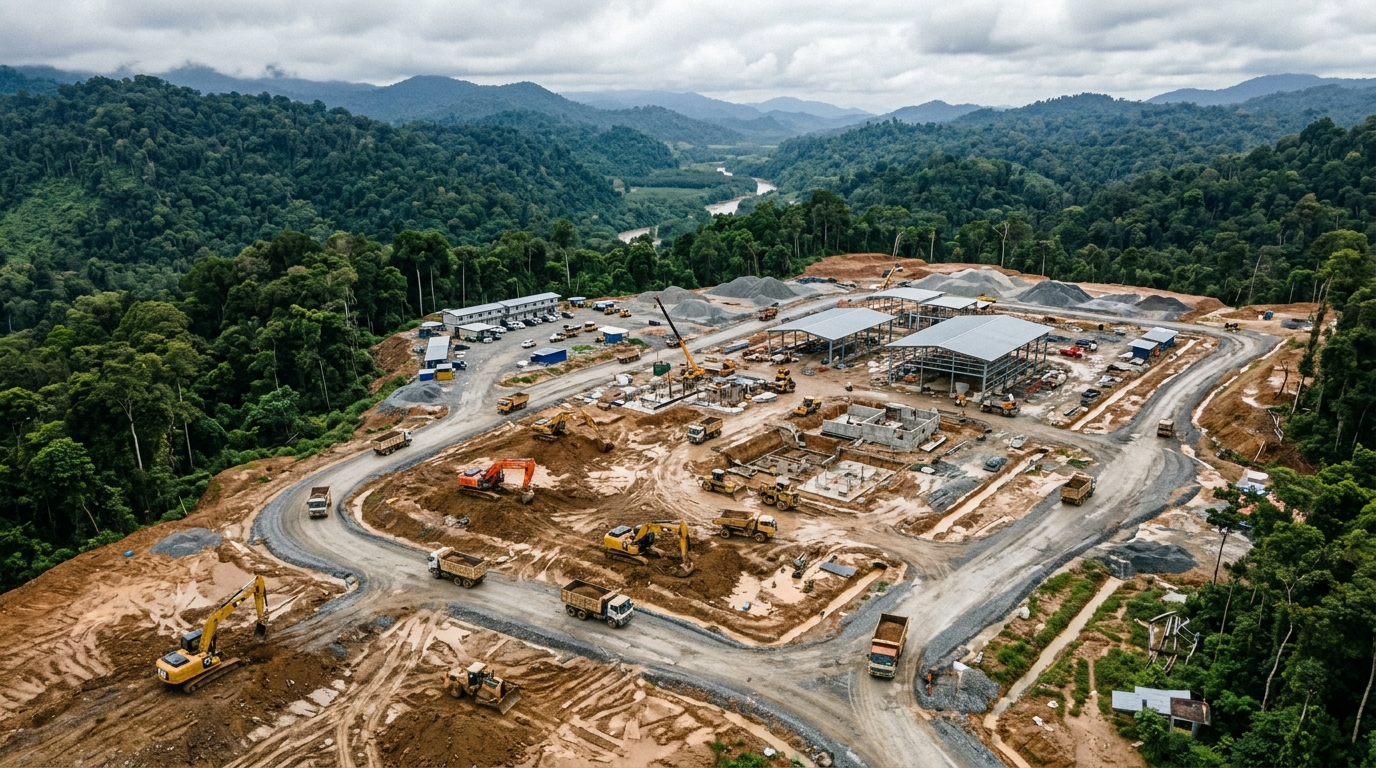
Everyone in industrial circles across Sabah and Sarawak is talking about the Trans-Borneo Railway. With the feasibility study slated to wrap up this year, the usual excitement around macro infrastructure is back.
But if you're running a contracting, civil engineering, or supply chain firm, there's a wide gap between newspaper headlines and actual shovels in the ground. The real question the operation team should be asking right now isn't just where the tracks will run — it's whether our internal systems can handle what happens when these multi-billion ringgit packages finally drop.
The Feasibility Phase Isn't a Waiting Room
Too many firms treat the pre-tender stage as a waiting period. They figure there's no point preparing until the official tender notices are published.
From an operational standpoint, that's a risky mindset. When a mega-project of this scale moves from planning to execution, the pace accelerates overnight. Procurement cycles compress, competition spikes, and federal-level auditing kicks into high gear. If your back office is still relying on manual reconciliations, scattered spreadsheets, or informal approval chains, you'll get bogged down in administrative friction before you even clear the pre-qualification round.
What Actually Trips Up Sub-Contractors on Mega-Projects
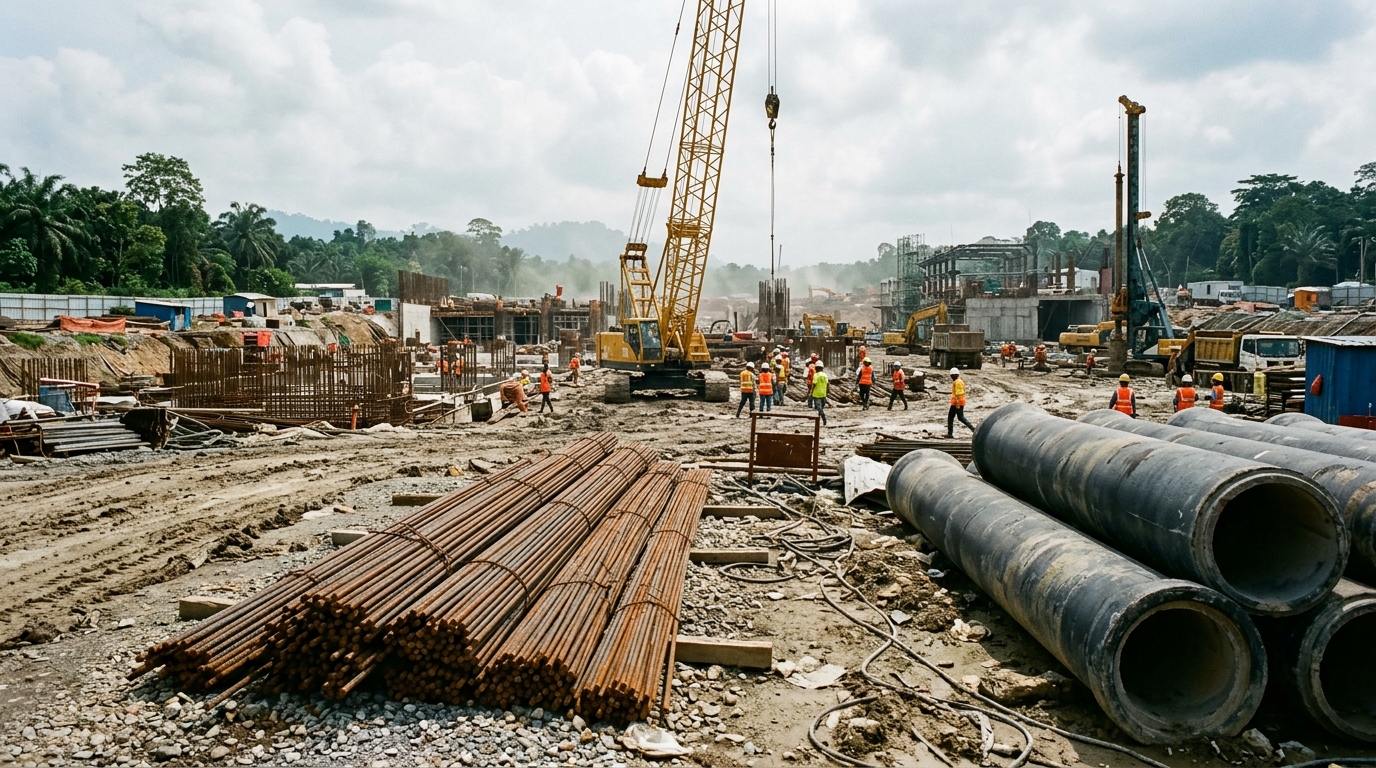
We all know how it goes on site: the actual building is usually the easy part. It's keeping track of all the paperwork and approvals that trips teams up.
When you're dealing with joint-venture partners, main contractors, or government auditors, certain operational gaps become expensive liabilities:
- The Audit Trail Gap: When you need to prove who approved a site requisition or where a material delivery went six months down the line, a lost WhatsApp message or a faded physical delivery order won't hold up.
- The LHDN e-Invoice Reality: With digital compliance fully baked into Malaysia's business landscape, retrospective data entry or messy vendor receipts will trigger immediate red flags.
- Invisible Supply Chain Leaks: Relying on unvetted, ad-hoc suppliers for urgent site needs without clean cost tracking quietly erodes project margins.

How Smart Operators Are Preparing Now
The most resilient firms aren't waiting for the tender documents to hit their desks. They are quietly using this window to clean the house internally. If you want your team to be ready to execute without drowning in paperwork, look at three areas right now:
- Measure Your Approval Velocity. Track how long it takes for a material requisition to move from a site engineer to a final Purchase Order. If it takes days because someone is chasing physical signatures, that bottleneck will cost you dearly when project timelines tighten.
- Standardize the Paper Trail. Move financial and procurement approvals out of fragmented chat groups and onto structured digital ledgers. If it isn't tracked and timestamped, it doesn't exist for the audit.
- Pre-Qualify Your Vendors. Audit your local supplier list now. Ensure your vendor onboarding and compliance records are tight so you can scale up instantly when the packages are awarded.
The Bottom Line
The Trans-Borneo Railway is going to fundamentally shift industrial logistics in Borneo. But when the dust settles, the companies that win and retain profitable packages won't just be the ones with the lowest bids — they'll be the ones that can execute cleanly and prove compliance effortlessly.
Platforms like Bilaro were built specifically for this — bringing the discipline of physical ledgers into a high-speed digital workflow so your team can focus on the project, not the paperwork.