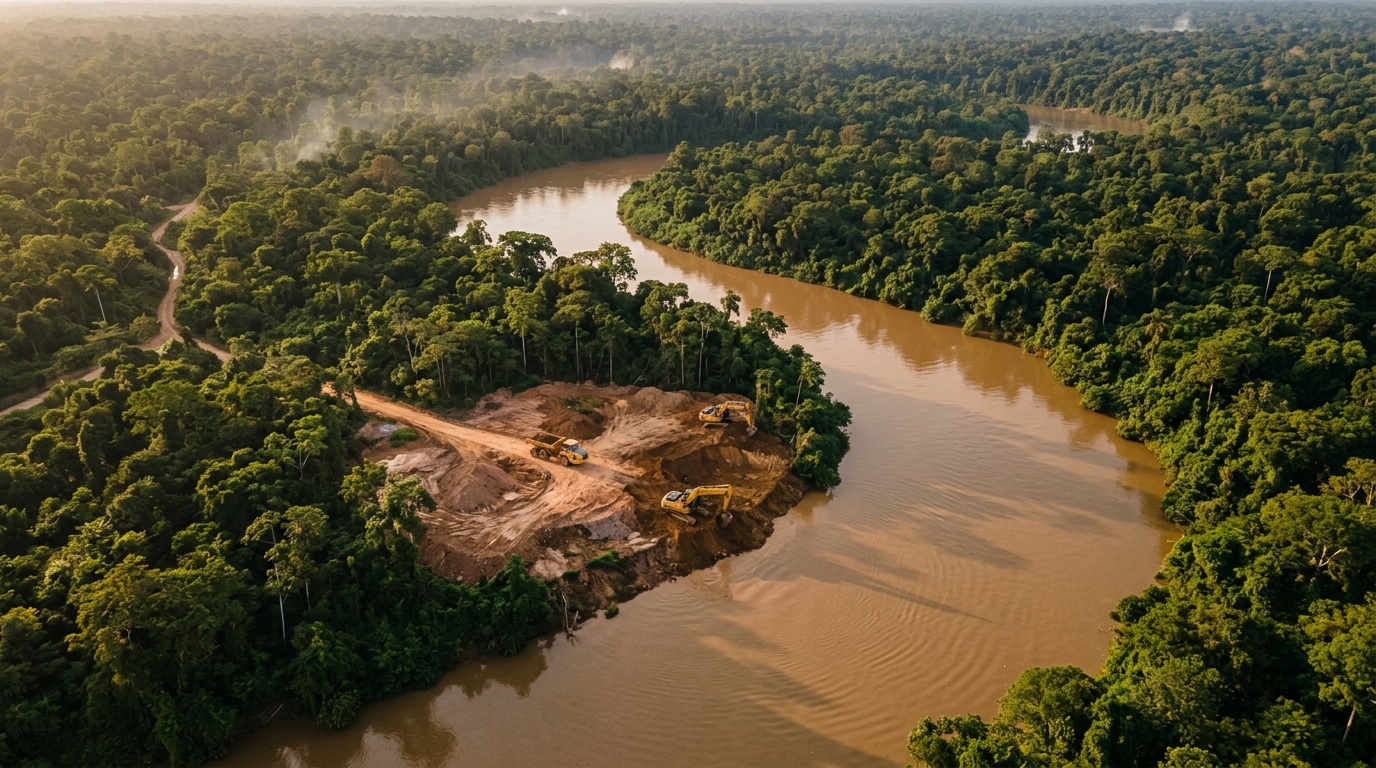
Recent discussions surrounding environmental reports—such as concerns raised over river health and turbidity linked to upstream dredging and stone extraction along waterways like the Trusan River—naturally spark important conversations among communities, authorities, and industry stakeholders.
For those of us working in project management and procurement, these headlines are a reminder of how complex site execution can be. Building roads, bridges, and infrastructure isn't just about engineering—it is an exercise in balancing tight schedules, logistical realities, and environmental stewardship.
Rather than pointing fingers, it is worth looking at how everyday project structures influence decisions on the ground, and how better visibility can help site teams do what they do best: build responsibly.
1. The Realities of Site Logistics and Tender Margins
When a project is awarded, site teams and procurement heads work within the parameters of a pre-determined Bill of Quantity (BQ). Every section—from earthworks to road finishes—is carefully costed during the bidding stage.
However, field conditions rarely match textbook projections. When logistics become complicated or local material availability shifts, site teams face tough choices:
The Cost Squeeze: If an isolated work scope is running on a tight budget, absorbing unexpected material or transport adjustments becomes difficult.
Operational Pressure: Teams must keep projects moving forward without triggering costly delays, occasionally forcing a re-evaluation of local sourcing options.
The Core Challenge: These decisions are rarely about cutting corners intentionally; rather, they are reactions to rigid, siloed section budgets that don't easily accommodate sudden field realities.
2. A Shared Commitment to Community and Environment
Contractors, regulatory agencies, and local communities ultimately share the same goal: sustainable development that preserves local water resources, supports regional growth, and maintains a clean environment.
Maintaining a positive social license to operate is vital for any contractor. No project team wants friction with neighbors or environmental concerns on their hands. When communication is open and proactive, potential bottlenecks can be addressed early, ensuring that construction and environmental protection move forward hand in hand.
3. Shifting Toward Total Project Visibility
One of the most effective ways to support site teams is to change how we look at project finances. Traditionally, each BQ section is managed as an independent financial island. If one section faces unexpected cost pressures, it is left to solve its own problems.
In practice, a more resilient approach involves looking at the total financial health of the entire awarded project.
When management has a comprehensive, real-time overview of all expenses across every work scope simultaneously, new operational possibilities open up:
Surplus funds or savings from a well-performing section can be dynamically balanced to support areas facing unexpected cost spikes.
With that financial flexibility, site teams are never backed into a corner where they have to compromise on material choices.
Management can comfortably engage certified, eligible local vendors, ensuring compliance and quality without hurting project margins.
Platforms designed for Malaysian industrial workflows—such as Bilaro—help teams achieve this visibility, bridging the gap between back-office accounting and fast-moving field operations.
Sustainable infrastructure development in Malaysia relies on collaboration, practical problem-solving, and transparency across the board. By moving away from rigid budgeting silos and embracing total project visibility, we give our project teams the commercial flexibility they need.
When contractors have a clear, big-picture view of their projects, everyone benefits: schedules stay on track, local communities are protected, and sustainable growth becomes a shared achievement.